
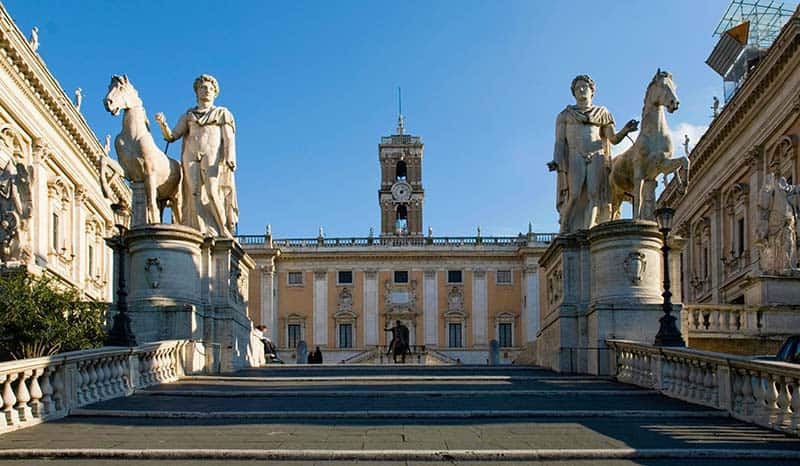
Capitoline Museums (Musei Capitolini) in Rome offer a captivating journey through ancient art and history, perched atop Capitoline Hill with panoramic views over the Eternal City. As the world’s oldest public museum, established in 1471 by Pope Sixtus IV, this collection showcases priceless Roman sculptures and artifacts that bring the past to life. You explore grand halls and uncover treasures from emperors to mythical wolves in a setting designed by Michelangelo.
History of Capitoline Museums
Pope Sixtus IV kickstarted Capitoline Museums (Musei Capitolini) in 1471 by donating ancient bronzes, including the Capitoline Wolf, to the people of Rome from the Lateran Palace. This act marked the birth of public museums, with the collection growing through papal gifts like those from Pius V, who added pagan sculptures removed from the Vatican.
Michelangelo redesigned the piazza in the 16th century, linking Palazzo dei Conservatori and Palazzo Nuovo. Popes like Clement XII opened it to the public in 1734, and later additions included Renaissance paintings and the Central Museum of the Risorgimento. Today, an underground gallery connects the buildings, housing inscriptions and access to the ancient Tabularium.
Highlights of Capitoline Museums
Visitors marvel at standout pieces in Capitoline Museums that highlight Roman artistry and power.
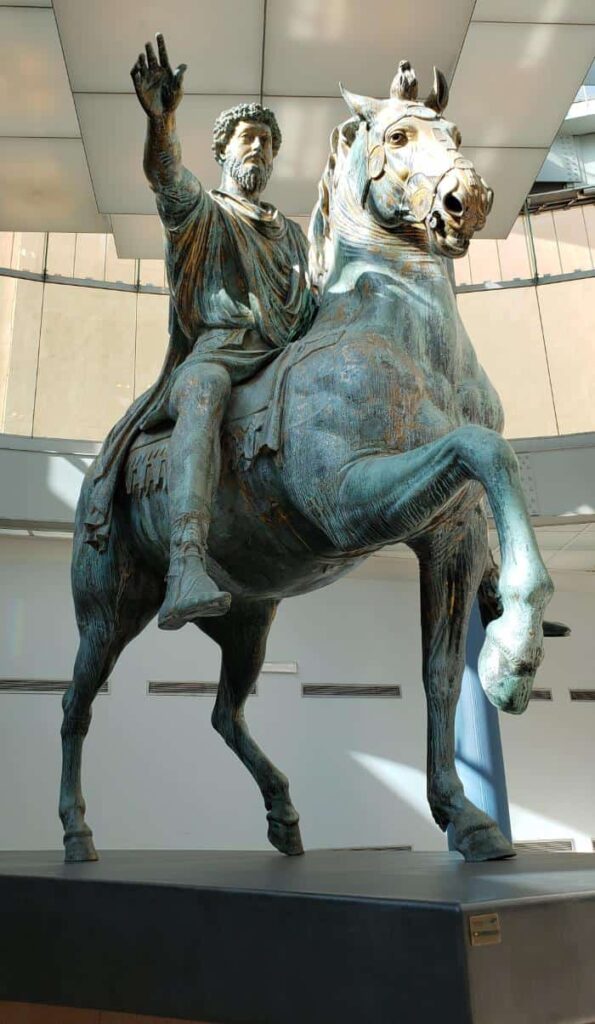
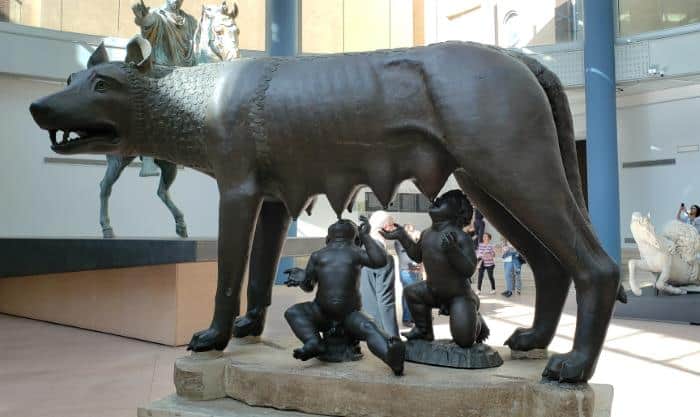
The Equestrian Statue of Marcus Aurelius, a rare surviving bronze from antiquity, dominates the Exedra hall after its restoration. Nearby, the iconic Capitoline Wolf symbolizes Rome’s founding myth with Romulus and Remus.
Do not miss the Dying Gaul, a poignant marble depicting a wounded warrior, or the Hall of Emperors with busts of rulers like Commodus as Hercules. Other gems include the Boy with Thorn, a Hellenistic bronze, and frescoed rooms in the Conservators’ Apartment showing Rome’s early legends.
Tips for Visiting Capitoline Museums
Plan your trip to Musei Capitolini with these helpful pointers for a smooth and enjoyable experience.
Open Tuesday to Sunday from 9:30 AM to 7:30 PM. Arrive early to beat crowds and allow 2-3 hours for exploration.
Every first Sunday of the month (if not a holiday), enjoy free entry!
What to See and Do: Start at Palazzo Nuovo for sculptures, then cross to Palazzo dei Conservatori for paintings. Ride the elevator to the terrace for Forum views.
Nearby Attractions: Stroll Michelangelo’s piazza or visit the adjacent Roman Forum and Victor Emmanuel II Monument.
FAQ: Common Questions About Capitoline Museums Rome
Pope Sixtus IV founded them in 1471 with bronze donations, making it the world’s oldest public museum; Michelangelo later designed the surrounding piazza.
Key pieces include the Equestrian Statue of Marcus Aurelius, Capitoline Wolf, Dying Gaul, and busts in the Hall of Emperors.
Standard entry ranges from €22; book online for convenience, with free access on the first Sunday monthly.
They operate Tuesday through Sunday, 9:30 AM to 7:30 PM; closed Mondays and major holidays.
Yes, elevators and ramps assist mobility, though some historic areas have stairs; contact ahead for specific needs.
Explore the Roman Forum, Victor Emmanuel II Monument, or Michelangelo’s piazza right outside.
They house unparalleled ancient Roman art and offer stunning views, providing deep insights into the city’s heritage.